My bag?
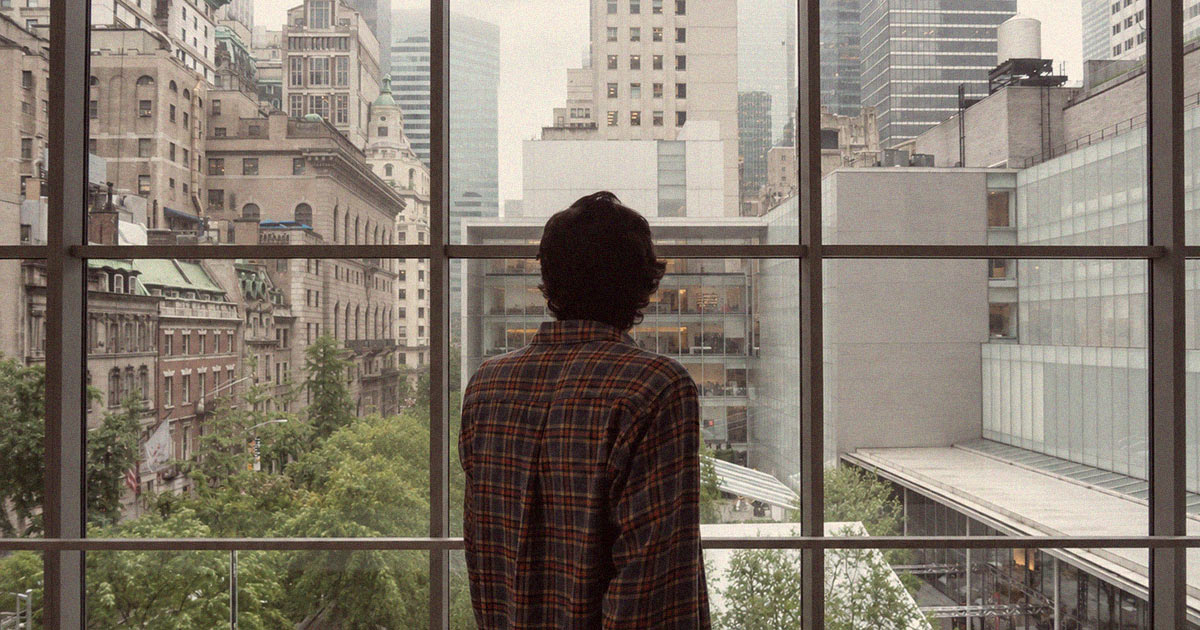
It started with a bag, on my first time visiting New York City back in 2012. I was 20 years old.
Walking around the city, I found myself being stopped by strangers — on the street, on the subway, in a coffee shop, anywhere. “Wow, I love your bag!” someone would say, and I’d reply, half-surprised, “My bag?” I was carrying a handwoven, colorful bag made by artisans in northern Argentina — nothing fancy, and honestly kind of an odd thing to be carrying around back home too. It happened enough times that I thought: “If people in a city that moves this fast are taking the time to stop and ask about this — there’s something here, and I had to give it a try.”

Back then, I was in design school, chasing a career that could combine my passions — design, travel, and my country. Fashion and accessories had never been it for me, but architecture and interior design always were. So when I got back to Buenos Aires, where I’m from, I found a woman in the city who sold pieces made by artisans in the north, and instead of another bag, I decided to try with… rugs!
I went back to New York two more times, and instead of packing clothes, I was making room in my suitcase for rugs. I’d list them on Etsy, no brand behind them, nothing but the product itself, and it did pretty well. “This could actually work!” I thought.
But then, as it usually goes, life moved on. Studies, work, other plans. The idea didn’t disappear — it just went quiet. Going through old notebooks from design school years later, I found sketches in the margins: drawings, notes, half-formed ideas that were early versions of ANDINA. I’d forgotten I ever drew them. Finding them felt nice, as if it was really meant to be — the idea had been there the whole time, slowly growing inside me, waiting.
Stranded
Almost ten years after that NYC trip, and those two return visits, I was in Park City, Utah, on a ski trip with friends when COVID hit. Flights going back home started disappearing. Most people left on whatever they could still catch, but a few of us stayed behind, figuring it would soon be over. It didn’t.

With no flights, we were stuck in the house, surrounded by snow. The resort that had been full of life days earlier was empty. Lifts stopped. Untouched snow on the runs. It looked like the set of a movie about the end of the world. It might sound a little scary, and even though I was far from home and my family, I felt lucky to spend that locked-down time in quiet, in the mountains. That silence was the perfect time and conditions for ANDINA to awake.
With nothing else to do and nowhere to go, I started building the brand from scratch — the name, the logo, the manifesto, the visual identity. My background in graphic design made that part come naturally, and I loved every hour of it. By the time we finally got a flight home, I had a brand, and I knew exactly what I wanted to make. But one piece was still missing — the one that would turn out to matter more than any of it: the hands that would bring it to life.
Piecing It Together
I wanted to work directly with the artisans themselves, no one in the middle. That meant stepping into a world that doesn’t run on the internet: small, closed, word-of-mouth — the kind of place you find by asking the right person, in person, not from behind a screen.
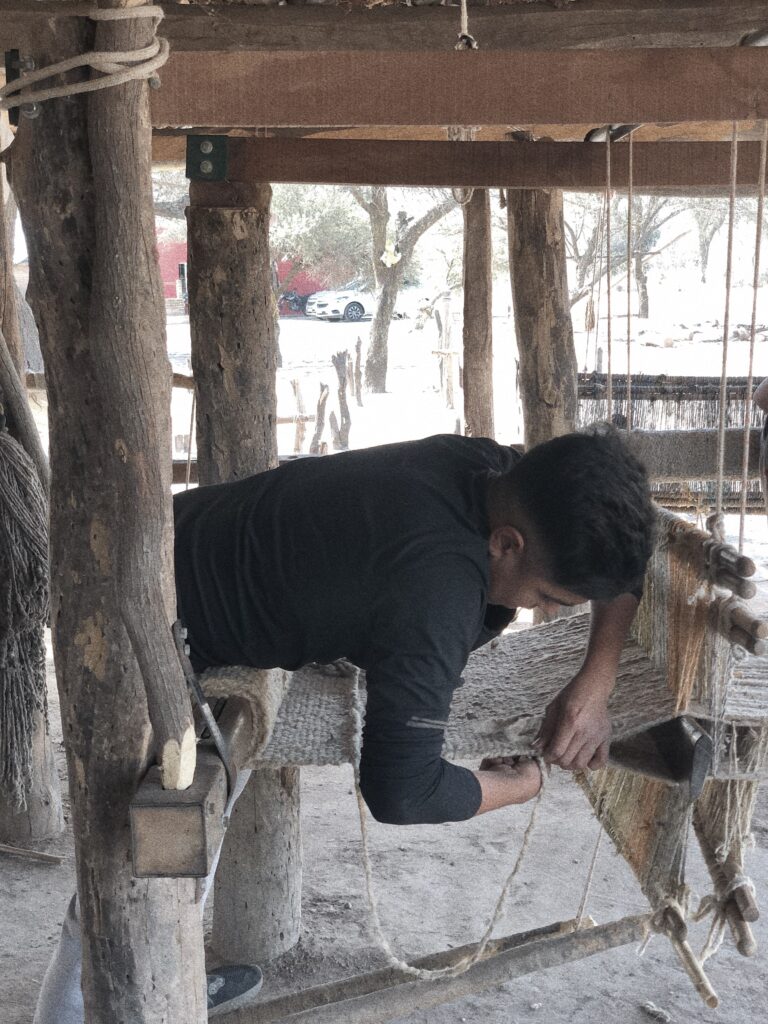
It took many weeks of investigation and connecting dots, every reference, every name and photo saved, until my research started looking like a detective’s wall — string, pins, connections everywhere. Eventually, someone gave me a phone number. I called, and a woman on the other end said she wove rugs in a small settlement in northern Argentina, many miles from home.
Back in Buenos Aires — after two weeks confined to a hotel room under pandemic entry rules — I got in a car with a friend and drove out to find her. All we had was a rough address and some visual references like “past the big tree” or “five minutes down the road” — no Google Maps.
It took us a day and a half of driving down empty routes, and more mates (the traditional Argentine infusion, sipped from a shared gourd through a metal straw) than I can count, but we found the place. We parked, and we clapped — that’s how you announce yourself out there in the countryside. María came out, and that’s where it actually began. Not a business plan. Not a pitch. Just a conversation, in the middle of nowhere, between two people willing to try something together.

Now, four years after that first encounter, we’ve kept working with her and met many other artisan communities who are now our partners — the backbone of what ANDINA is today.
Looking back, it all connects — the bag, the sketches in the margins, the snowstorm, driving for miles to find her. None of it felt like part of a plan while it was happening. But I’ve learned to trust that some things just need their own time to become what they’re meant to be.
– Joaquín Herrera, Founder